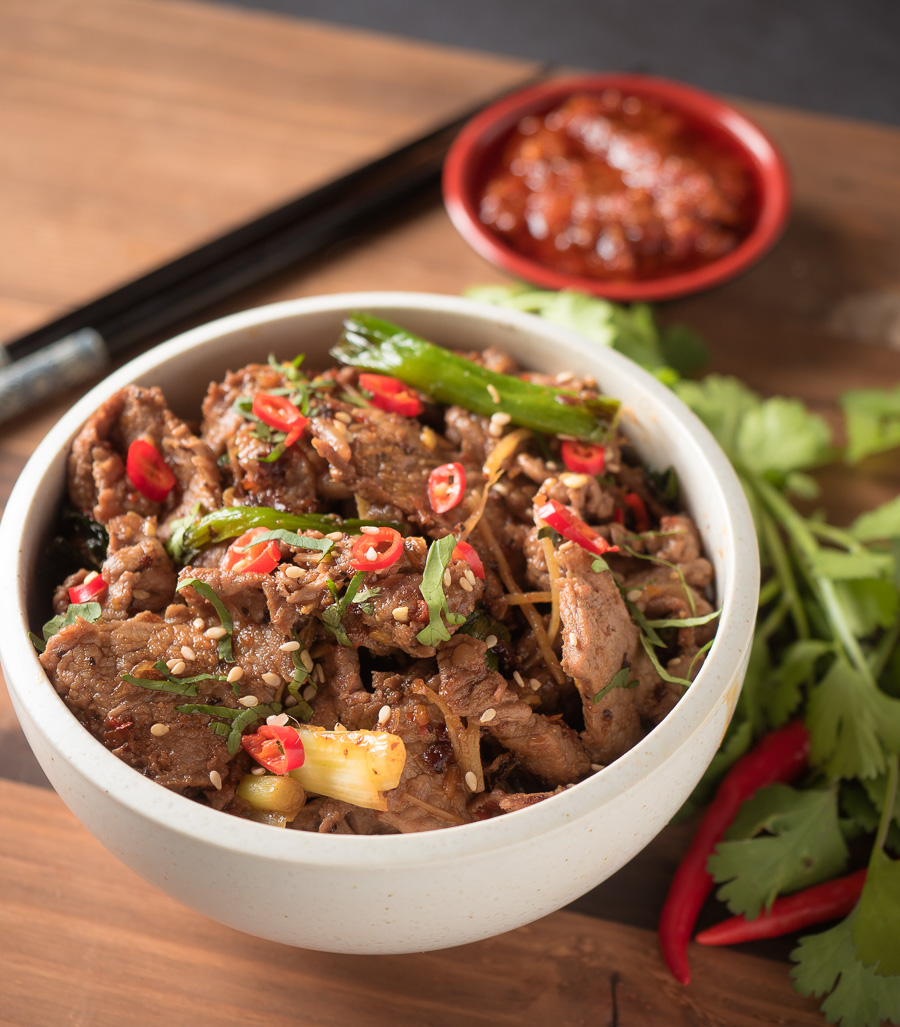
Prepare to embark on a culinary adventure that will redefine your perception of stir-fries. Forget the ordinary; we're diving headfirst into the vibrant, exhilarating world of a Spicy Vietnamese Ginger Beef Stir Fry with Sate Sauce. This isn't just another weeknight meal; it's a bold, flavour-packed experience that promises an explosion of Southeast Asian tastes, setting it distinctly apart from its more traditional counterparts. If you're seeking a dish that thrills the palate with its aromatic depth, zesty ginger kick, and customizable fiery notes, then prepare to grin from ear to ear.
Unleashing Bold Flavors: A Vietnamese Twist on a Classic
While the concept of ginger beef stir fry might typically conjure images of Chinese takeout — often characterized by its sweet, savory soy-based sauce, sometimes a hint of cornstarch, and even orange zest — our Vietnamese Ginger Beef Stir Fry: A Bold Twist on Tradition takes a dramatic detour. This isn't merely an adaptation; it's a complete reimagining that infuses the beloved stir-fry format with the unmistakable essence of Vietnamese cuisine. The result is a dish that hums with big, robust Southeast Asian flavors, entirely different and infinitely more exciting for those who crave a dynamic taste profile.
The moment you taste this particular rendition, you'll immediately recognize the distinct shift in its aromatic foundation. Gone are the heavy notes of dark soy and starches, replaced by the bright, zesty perfume of lemongrass, the pungent sweetness of fresh shallots, and the exhilarating kick of red chilies. The umami depth comes not just from soy, but significantly from the quintessential Vietnamese ingredient: fish sauce. This combination creates a complex interplay of savory, sour, spicy, and sometimes a touch of sweet that is the hallmark of many Vietnamese dishes. While it might not be a centuries-old dish found on every street corner in Hanoi (and indeed, extensive searching might prove it's a delicious modern invention), its flavor profile is undeniably rooted in Vietnamese culinary traditions, feeling authentic in its spirit and execution.
The Heart of the Heat: Mastering Sate Sauce
The true genius and defining feature of this particular ginger beef stir fry lie in its masterful incorporation of sate sauce. This isn't just a mere condiment; it's the transformative ingredient that elevates a humble stir fry to a "wow!" moment. Sate sauce, also known as Vietnamese chili sate, is a vibrant, aromatic, and often spicy paste crafted from a rich blend of ingredients. Typically, it features finely ground chilies, fragrant lemongrass, pungent garlic, sweet shallots, and often a nutty base of peanuts or sesame seeds, all simmered in oil to create a deeply flavorful, textural condiment. It brings an unparalleled depth of savory, spicy, and umami notes that a regular chili sauce simply can't replicate.
One of the beauties of integrating sate sauce into your Easy Vietnamese Ginger Beef: Big Bold Southeast Asian Flavors is the incredible control it offers over the dish's heat level. If you're adventurous, making your own sate sauce from scratch allows you to dictate the 'fire' quotient, from a gentle warmth to an "OMG, my taste buds are alive!" inferno. You can adjust the quantity of chilies, include or omit the seeds, and even balance it with a touch more sweetness or tang. For those opting for convenience, a good quality store-bought Vietnamese sate sauce will still deliver fantastic results. When selecting one, look for brands that list fresh ingredients like lemongrass, garlic, and shallots prominently, and be mindful of the spice level indicated on the label. Remember, a little goes a long way, but don't be shy about adding a generous dollop to achieve that signature bold flavor and irresistible heat that defines this dish.
Crafting Your Perfect Spicy Vietnamese Ginger Beef Stir Fry
Creating this exceptional stir fry involves a careful selection of ingredients and a precise approach to technique. The beauty of a stir fry lies in its speed, but that speed is only achievable with thoughtful preparation. Let's break down the components that bring this dish to life:
Key Ingredients for Success
- The Beef: Lean beef rump strips are an excellent choice, offering a good balance of tenderness and flavor. Other suitable cuts include sirloin, flank steak, or even thinly shaved rib eye. The key is to slice the beef against the grain into thin strips – this ensures maximum tenderness and quick cooking. Marinating the beef beforehand is crucial for both flavor and tenderness. A simple marinade of minced ginger, garlic, a splash of sesame oil, fish sauce, and perhaps a teaspoon of the sate sauce itself will infuse the meat with incredible depth.
- Aromatic Foundation: Fresh ginger, finely grated or julienned, is non-negotiable, providing its signature zing. Thinly sliced red onion or shallots will add a sweet, pungent base that complements the ginger and other Vietnamese aromatics.
- Vibrant Vegetables: Carrots, thinly sliced or julienned, add sweetness and crunch. Snow peas contribute freshness and a delicate snap. Baby bok choy, quartered, offers a leafy, slightly bitter counterpoint. Don't forget a generous handful of fresh bean sprouts added at the very end for textural contrast. Feel free to experiment with other quick-cooking vegetables like bell peppers, broccoli florets, or even asparagus.
- The Unifying Sauce: Beyond the star sate sauce, you'll need fish sauce for its umami depth, a touch of soy sauce (light soy is usually preferred here), and often a pinch of sugar to balance the heat and acidity. Oyster sauce, as suggested in some recipes, can add an extra layer of savory richness and a slightly thicker consistency.
- Fresh Garnishes: Thinly sliced long red chili and fresh coriander sprigs are essential for both visual appeal and a final burst of fresh flavor. Green onions, chopped, also make a fantastic garnish.
Stir-Frying Techniques for Optimal Flavor
The art of stir-frying lies in high heat and quick cooking. Follow these tips to ensure your beef and vegetables are perfectly cooked:
- Preparation is Key (Mise en Place): Have all your ingredients prepped, sliced, and measured before you even turn on the stove. Stir-frying moves fast, and you won't have time to chop mid-cook.
- Hot Wok, Hot Oil: Use a large wok or a heavy-bottomed non-stick frying pan. Heat it over high heat until it's smoking slightly, then add your vegetable oil. The high heat is essential for achieving "wok hei" – the smoky, slightly charred flavor characteristic of good stir-fries.
- Cook Beef in Batches: Overcrowding the wok will steam the beef instead of searing it, leading to tough, gray meat. Cook your marinated beef strips in two or three batches, searing them for 1-2 minutes per side until beautifully browned. Remove each batch and set aside. When searing, allow the beef to sit undisturbed for at least 30 seconds on the first side to develop a good crust.
- Build the Aromatics: With the wok still hot, add a little more oil if needed, then stir-fry your ginger and red onion/shallots for about a minute until fragrant.
- Add Vegetables Progressively: Start with harder vegetables like carrots, stir-frying for 2-3 minutes. Then add snow peas, cooking for another minute or two. Finally, add the bok choy and a splash of water (or oyster sauce if using) to create a little steam and help the greens wilt quickly.
- Bring it All Together: Return the seared beef to the wok. Add your sate sauce, fish sauce, soy sauce, and sugar (if using). Toss everything vigorously to combine, heating through for just about a minute. The goal is to warm the beef and coat it in the sauce without overcooking it, which can make it tough. Stir-fry just enough to integrate the flavors and heat the beef through. Add bean sprouts and toss briefly.
- Serve Immediately: Stir-fries are best enjoyed fresh off the wok. Serve your Spicy Vietnamese Ginger Beef Stir Fry over a bed of fluffy steamed jasmine rice or with perfectly cooked rice noodles (prepared separately according to package instructions). Garnish generously with fresh chili slices and coriander sprigs.
Tips for a Sensational Stir Fry Experience
- Freshness Matters: The vibrant flavors of this dish truly shine when you use the freshest ingredients possible, especially for your ginger, shallots, and herbs.
- Don't Be Afraid of Heat: While you can control the spiciness, this dish is designed to be spicy. Embrace it! If you're sensitive, start with less sate sauce and add a dash of chili flakes or fresh chili to your individual serving.
- Mind the Beef: Overcooked beef is tough. Keep an eye on it during searing and only return it to the wok for a final, quick toss to combine with the sauce and vegetables.
- Adjust to Taste: Vietnamese cooking is all about balance. Taste your sauce before adding it and adjust the fish sauce, sugar, and sate sauce to your preference. A squeeze of lime juice at the end can also brighten all the flavors.
- Wok Alternatives: If you don't own a wok, a large, heavy-bottomed skillet or cast-iron pan can work effectively, just ensure it can withstand high heat and has ample space.
This Spicy Vietnamese Ginger Beef Stir Fry with Sate Sauce is more than just a recipe; it's an invitation to explore the exciting possibilities that arise when culinary traditions playfully intertwine. Its audacious flavors, customizable heat, and aromatic complexity offer a thrilling departure from the mundane. So, gather your ingredients, fire up your wok, and prepare to delight your senses with this truly unforgettable, vietnamese ginger beef stir fry creation.
